Confident Cancer Conversations at Work: A Guide for HR Professionals
Tips To Help HR Professionals Feel Confident in Cancer-Related Conversations
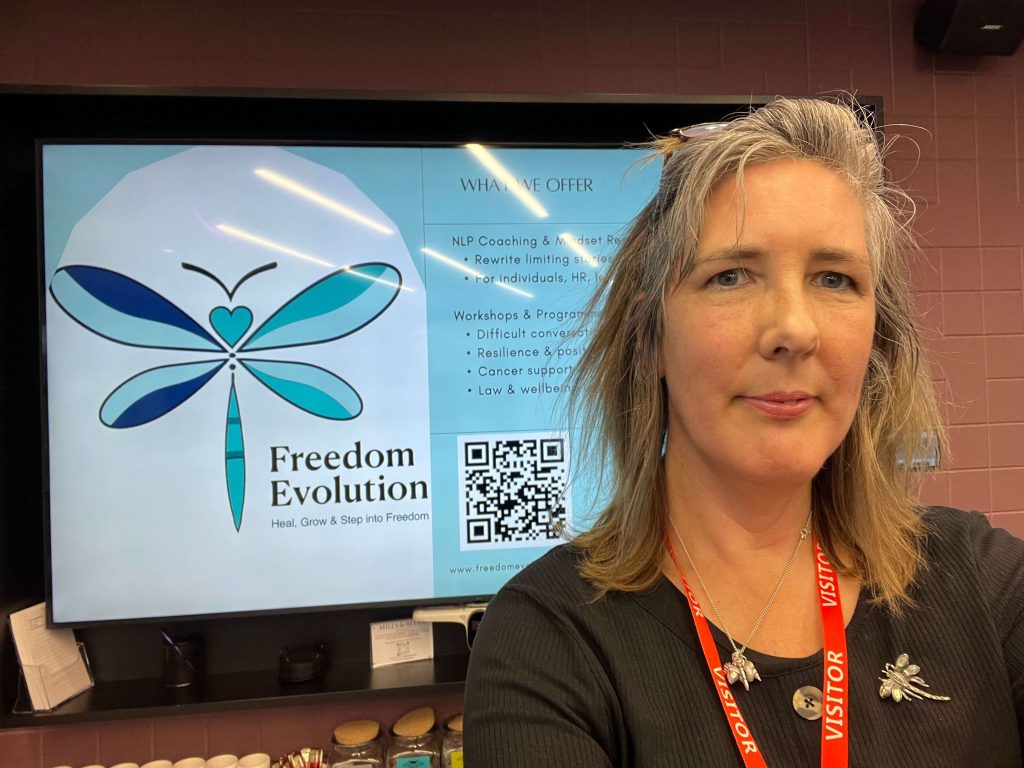
This week I delivered a talk at the CIPD Development Day, and the topic was one that many HR professionals quietly worry about: how do you have a confident, compassionate conversation about cancer in the workplace?
The truth is, most people don’t know what to say. Some say nothing at all, this can include crossing the road or even ignoring messages because they fear getting it wrong. Others say anything in the hope it will make things better. In reality neither approach truly helps.


💬 “One of the most sincere forms of respect is actually listening to what another has to say.” Bryant H. McGill
Here are five practical tips to guide HR professionals when they are in this situation:
1. Pause before you speak
Take a breath. That pause gives your brain oxygen and your heart a moment to catch up. It’s the simplest way to avoid blurting out something unhelpful.
2. Ask, don’t fix
You don’t need all the answers. Acknowledge the news, listen, and resist the urge to “solve.” Sometimes the most powerful words are: “Thank you for sharing this with me.”
3. Know your resources
Support isn’t just emotional. Think practically:
• Can you help with appointments or essentials?
• What workplace benefits exist, these can include enhanced sick pay, EAP, private medical cover?
• Who supports you as the HR professional?
And remember, external organisations are invaluable:
• Macmillan Cancer Support
• Cancer Research UK
• Breast Cancer Now
4. Balance policy with humanity
Yes, you have KPIs and profit margins to meet. But remember: this is an employee, not a patient or statistic. Be kind, explain if you need more time, and show humanity alongside policy.
5. Empathy over awkwardness
Avoid generic phrases like “I’m sorry” or “Let me know if there is anything I can do to help.” Instead, be specific, be present, and let empathy guide you
Final Thoughts
Remember that work can be an anchor. For someone living with cancer, the workplace may be the one place where they feel like themselves and not a patient, not a statistic, but a valued human being. HR professionals are the bridge between employees, leaders, and the business. Your words can build trust, connection, and dignity.
📓 Journal & Development Prompts:
- Reflect on a time when you felt unsure of what to say when faced with a sensitive conversation. What helped you move forward? What did you say, think or do?
- How can you build space into your HR practice for pausing before responding?
- What resources (internal or external) could you map out today to feel more confident when you are required to support employees with cancer?
- Which workplace policies might need balancing with some humanity and how could you start that conversation with leadership?
- What does “empathy over awkwardness” look like in your own communication style and how could it fit in with the wider HR teams and Leadership?
Let’s Chat
👉 If you’d like to explore how I can help your HR team build confidence in cancer-related conversations, please complete the enquiry form to book in a for a discovery call today.